

Navigating Your Finances During a Divorce in NC
It often starts quietly. The conversation at the kitchen table shifts from planning weekend trips to dividing up a shared life. Suddenly, the home you built together becomes an asset, retirement savings feel like a battleground, and the future you once mapped out dissolves into a series of difficult questions. The emotional weight of this moment is immense, and it’s often compounded by the sudden, overwhelming need for financial clarity.

What to Do with Your 401(k) When You Retire
After decades of saving and investing, reaching retirement often raises a critical question: What should you do with your 401(k)? This account has likely been your main savings vehicle during your working years, but now its role shifts — from accumulation to income. Deciding how to manage your 401(k) is about more than picking investments. It involves understanding your income needs, tax implications, withdrawal options, and long-term goals. Each choice—whether to keep funds in your employer’s plan, roll them to an IRA, or start taking distributions—comes with its own benefits and trade-offs.

What Is the Difference Between a Financial Planner and a Financial Advisor?
Understanding the difference between a financial planner and a financial advisor is one of the most common questions individuals ask when seeking guidance for their financial future. While the terms are often used interchangeably, they are not identical—and knowing the distinction can help you choose the right professional for your needs. This guide explains the roles, responsibilities, and key differences between financial planners and financial advisors, while remaining fully aligned with current FINRA and SEC compliance standards.

Social Security vs. Pension Income Strategies
As retirement approaches, one of the most critical questions couples face isn’t “Do we have enough saved?”—it’s “How do we turn what we’ve saved into reliable income?”
Social Security and pension income serve different roles in retirement. Social Security may provide inflation-adjusted lifetime income, while pensions may provide predictable employer-sponsored income with different payout and survivor options. The right strategy depends on claiming age, tax considerations, pension elections, survivor needs, and how these sources coordinate with savings and investment accounts.

Financial Empowerment for Women Over 50
Entering your 50s often brings a sharper focus on what matters most: independence, flexibility, health, family, and how your money will support the next stage of life. For many women, this decade becomes a financial turning point. Retirement is closer, caregiving responsibilities may shift, and major life changes such as divorce, widowhood, career transitions, or helping aging parents can create new planning needs. Financial empowerment for women over 50 is not about chasing complicated strategies or trying to predict the markets. It starts with clarity. When you understand your income sources, savings, investments, risks, and choices, you can make more informed decisions about retirement, taxes, insurance, estate planning, and long-term security.
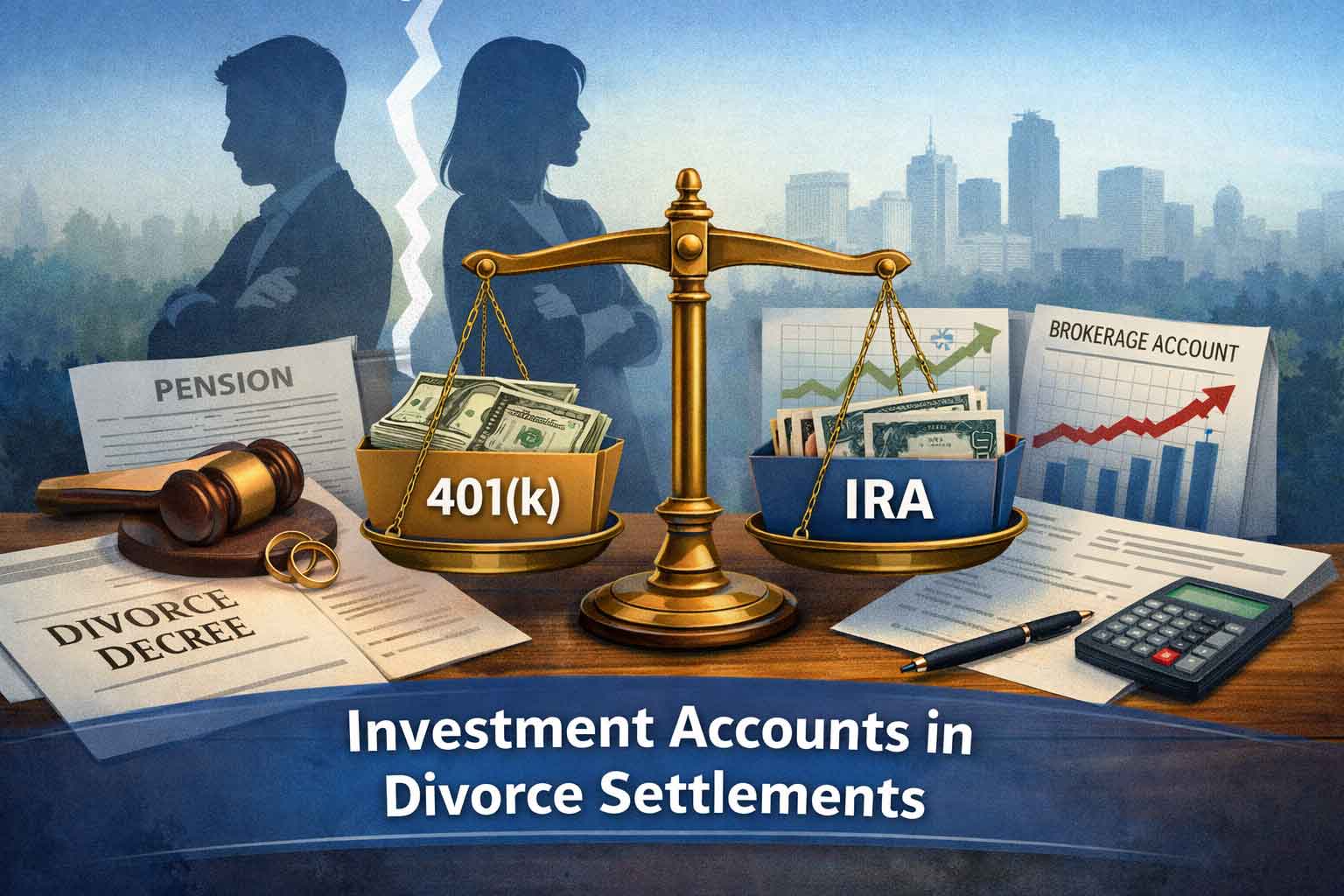
Investment Accounts in Divorce Settlements: What to Know
Divorce can create major financial change, and one of the most important issues to understand is how investment accounts in divorce settlements are handled. Retirement plans, IRAs, brokerage accounts, pensions, and stock compensation may all be part of the discussion, but they do not all work the same way. Differences in tax treatment, liquidity, withdrawal rules, and plan administration can materially affect long-term outcomes. IRS guidance confirms that transfers because of divorce are often handled under special tax rules, and retirement-plan divisions may require specific court orders or plan-approved documentation depending on the account involved.

How to Know When You’re Ready to Retire
Retirement is not just a number on a calendar. For most people, it is a financial transition, a lifestyle transition, and an emotional transition all at once.
If you are wondering how to know when you’re ready to retire, the answer usually comes down to whether your income sources, spending needs, health coverage, tax picture, and long-term goals are aligned well enough to support the life you want. It is less about finding a single “magic number” and more about determining whether your plan appears sustainable under a range of real-world conditions.

The Ultimate Estate Planning Checklist for North Carolina Families
Estate planning checklist: the fast way to protect your family, name decision-makers, and keep your plan organized. If you’re a North Carolina parent, homeowner, business owner, or simply someone with people who depend on you, an estate plan helps answer two questions:
Who’s in charge if you can’t make decisions?
Who gets what—and how—when you’re gone?
This guide breaks estate planning into clear, practical steps you can complete with the right professionals.
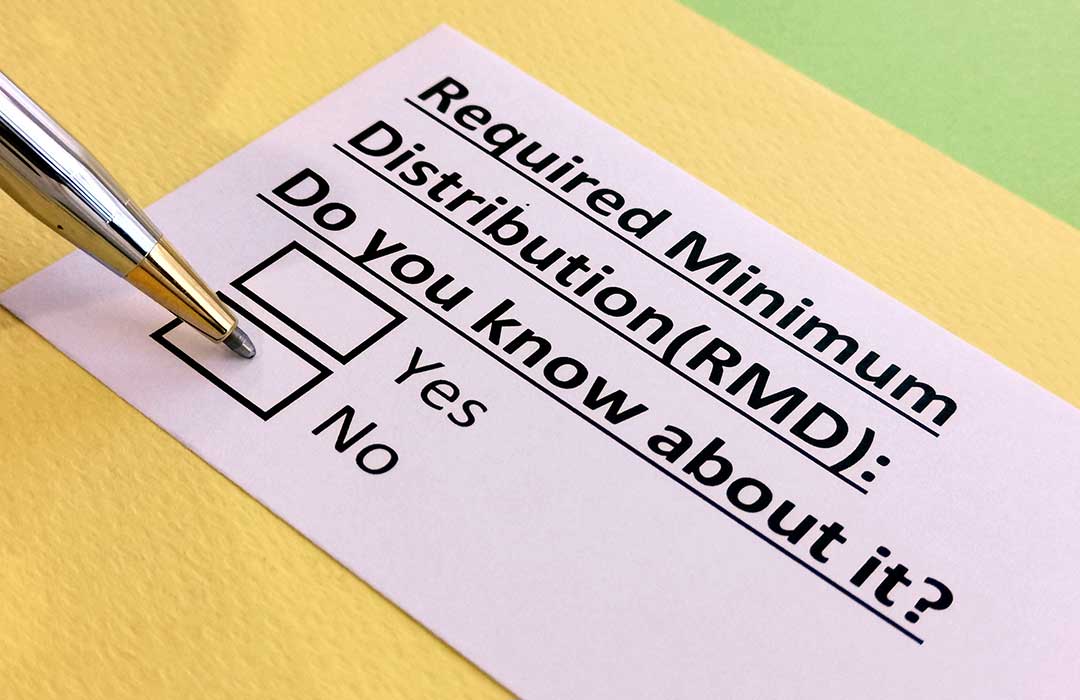
Understanding Required Minimum Distributions (RMDs): Rules, Ages, and Planning Considerations
Required Minimum Distributions (RMDs) are one of the most important rules governing retirement accounts. While tax-advantaged accounts such as traditional IRAs and 401(k)s allow investments to grow tax-deferred, the IRS eventually requires withdrawals so those funds can be taxed. Understanding Required Minimum Distributions (RMDs) can help retirees avoid penalties, plan retirement income more effectively, and coordinate withdrawals with taxes, Social Security, and other financial priorities.

Why Working with a Fiduciary Financial Advisor May Be Worth Considering
You’re sitting across from a financial professional, reviewing a proposal for your retirement portfolio. The plan seems sound, the investments familiar. But a quiet question lingers in the back of your mind: Is this truly the best possible advice for me, or just the most profitable recommendation for them?
This single, often unspoken, question is the most critical one in your financial life. The answer separates a standard client-advisor relationship from a true partnership. It’s the difference between advice that is merely “appropriate” and advice that is legally and ethically bound to your best interest.